Category: Uncategorized

That Time of the Cycle

With Plasma 5.6 long out the door, it’s time for the traditional changing of the wallpapers! Or at least, showing what the next wallpaper will be.

With Plasma 5.7 we won’t be venturing too far from where we are in 5.6. As I mentioned in a previous post about wallpapers we have been paying attention to the feedback, trying to find something that hit the right balance. The 5.6 the wallpaper seemed to hit that mark, so you’ll see fewer dramatic swings in the wallpaper direction; we’re goanna stick with what works for a while.

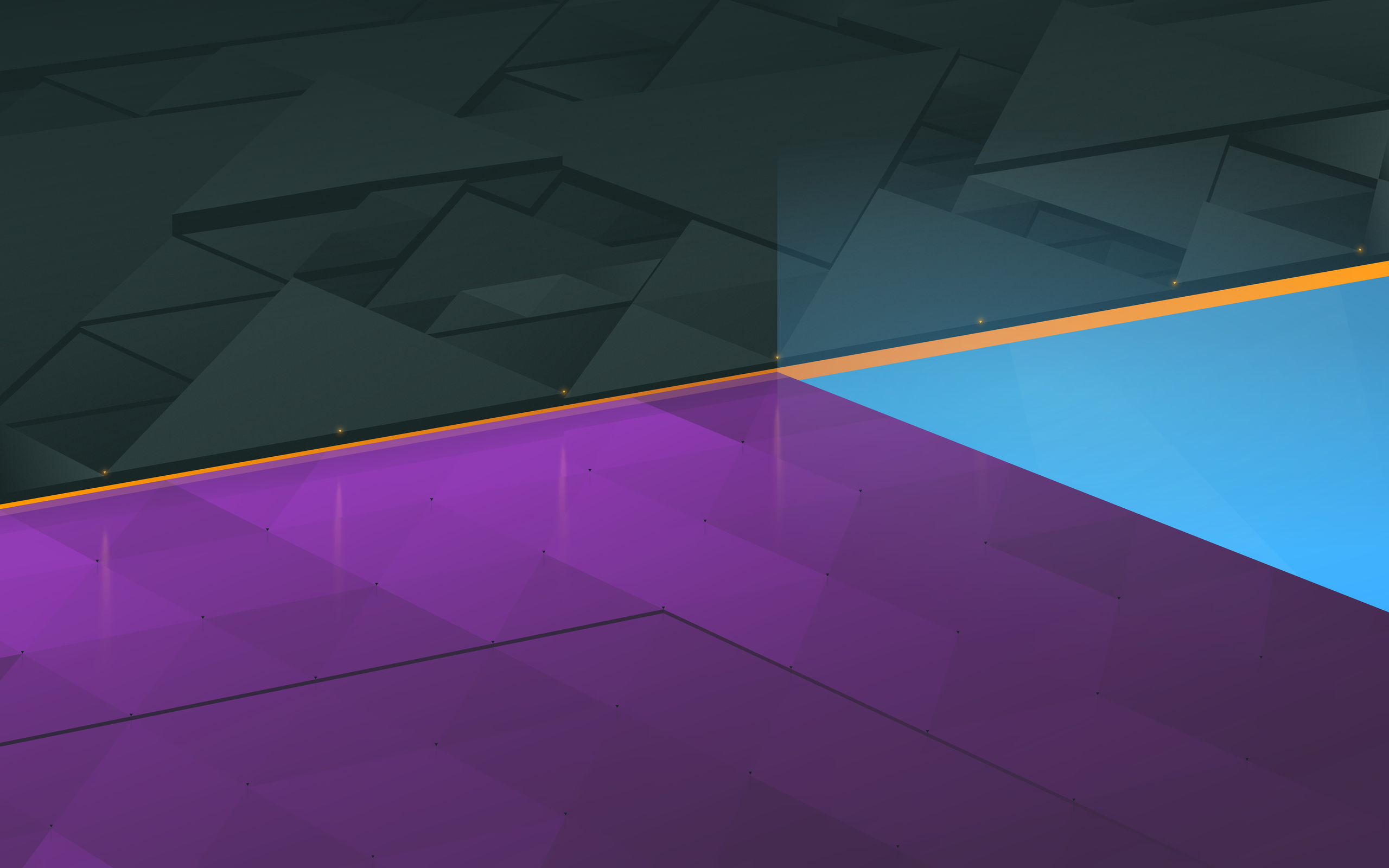
Here’s the 5.7 wallpaper, “Skylight”;

2560x1600.png
(Download 2560×1600)

I’m keeping very close to the formula of the current wallpaper, and generally this is what people should expect for a few wallpapers for the next few releases of Plasma. I’ll vary the ‘material’ and positions a bit in the future, but I didn’t want to do that too much during our transition to perspective this release… Perspective was the one thing I meant to do with the current wallpaper, but for various reasons it didn’t happen.

One thing that also came up was assembling the old wallpapers somewhere for the people who preferred a previous release. I’d like some opinions and feedback on a few questions if we decide to do this;

  1. Where would you want all the wallpapers stored? A ‘legacy wallpapers’ package, the current additional wallpapers package, OpenDesktop?
  2. Would you want me to “George Lucas” some of the wallpapers, and tweak/improve the lower-quality ones for re-release? Or should we just drop some of the really early ones?

So, what do you think we should do with the older wallpapers? Comment below, let us know!

Touring CERN and the LHC

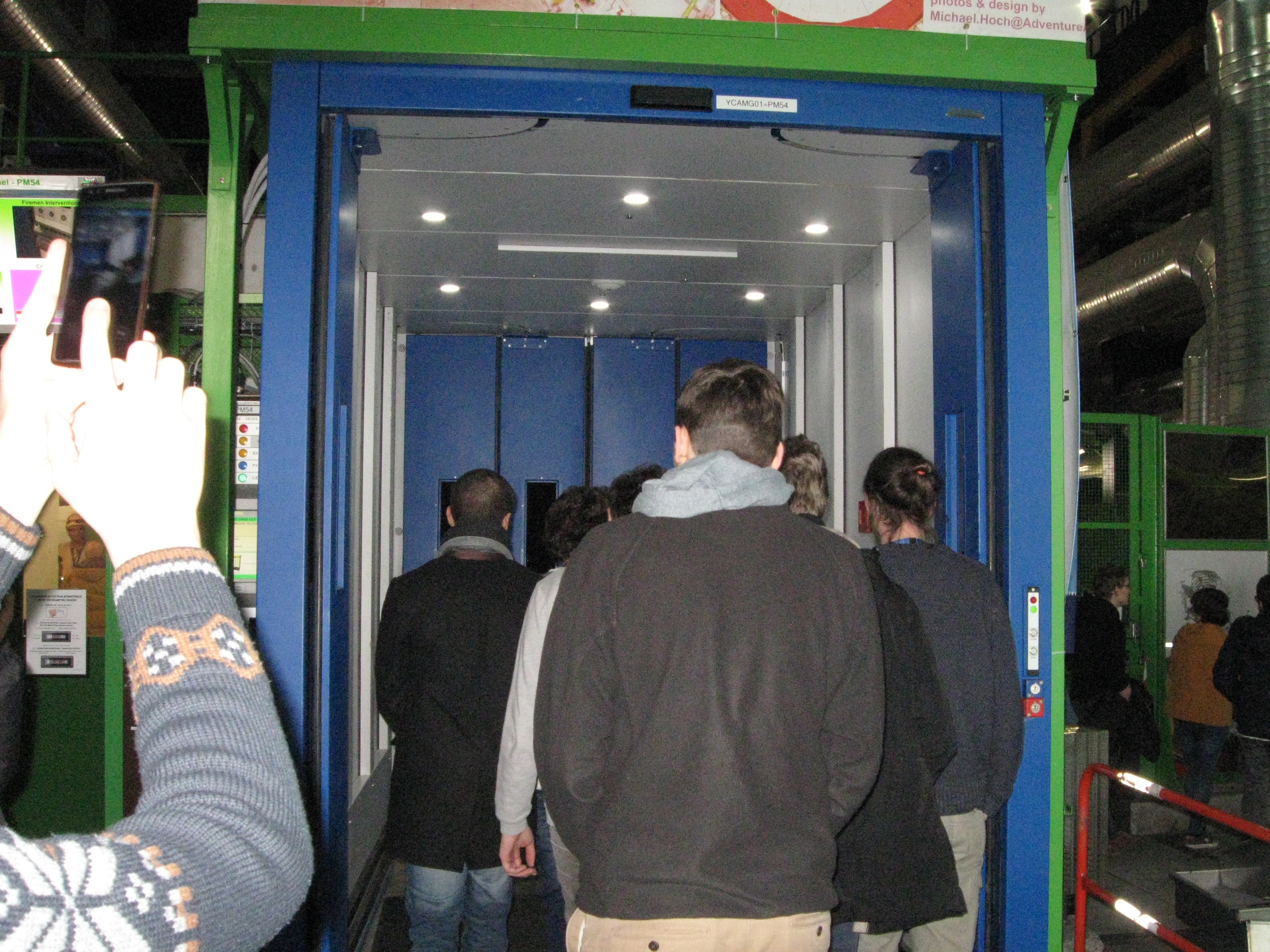
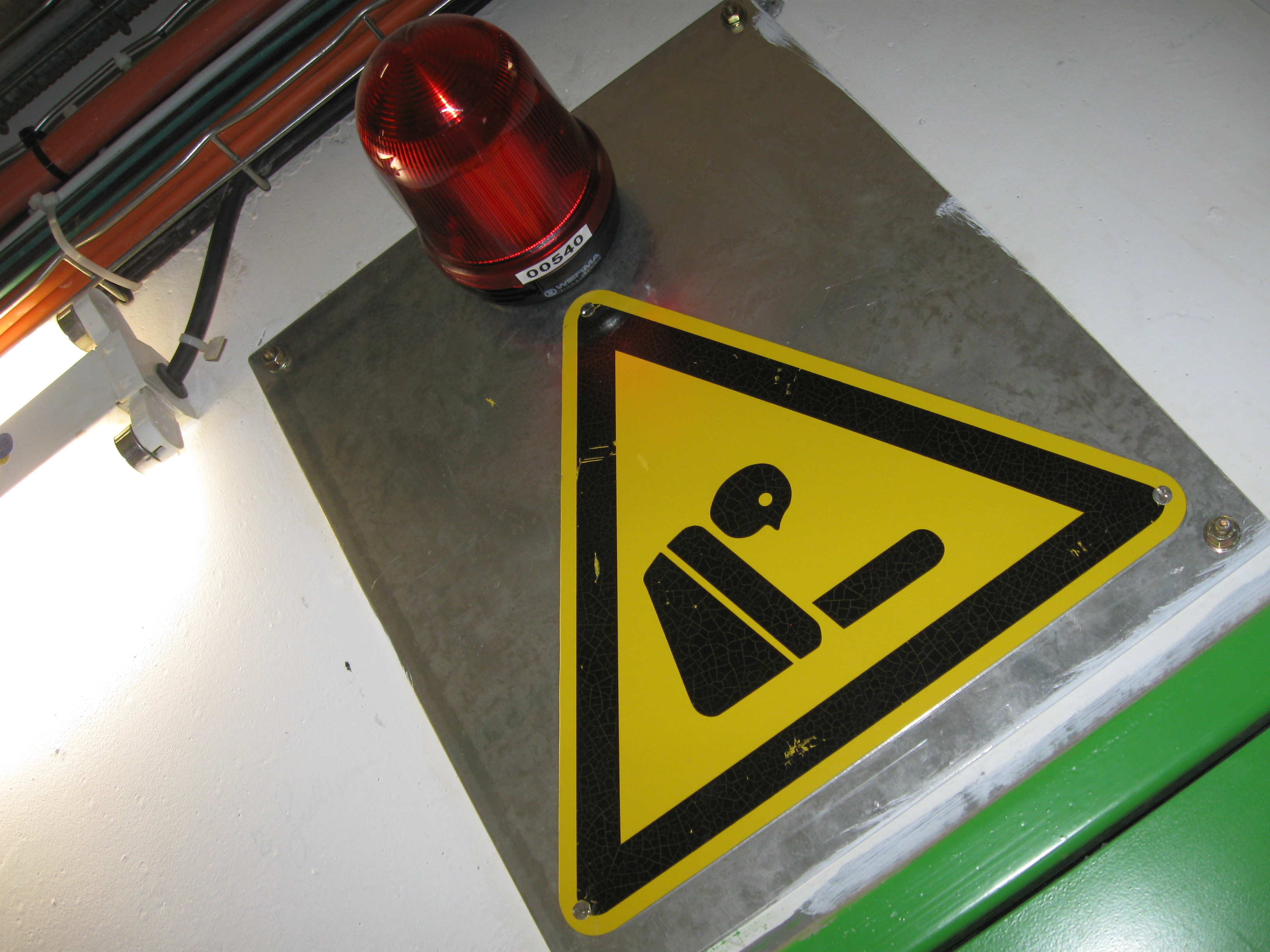
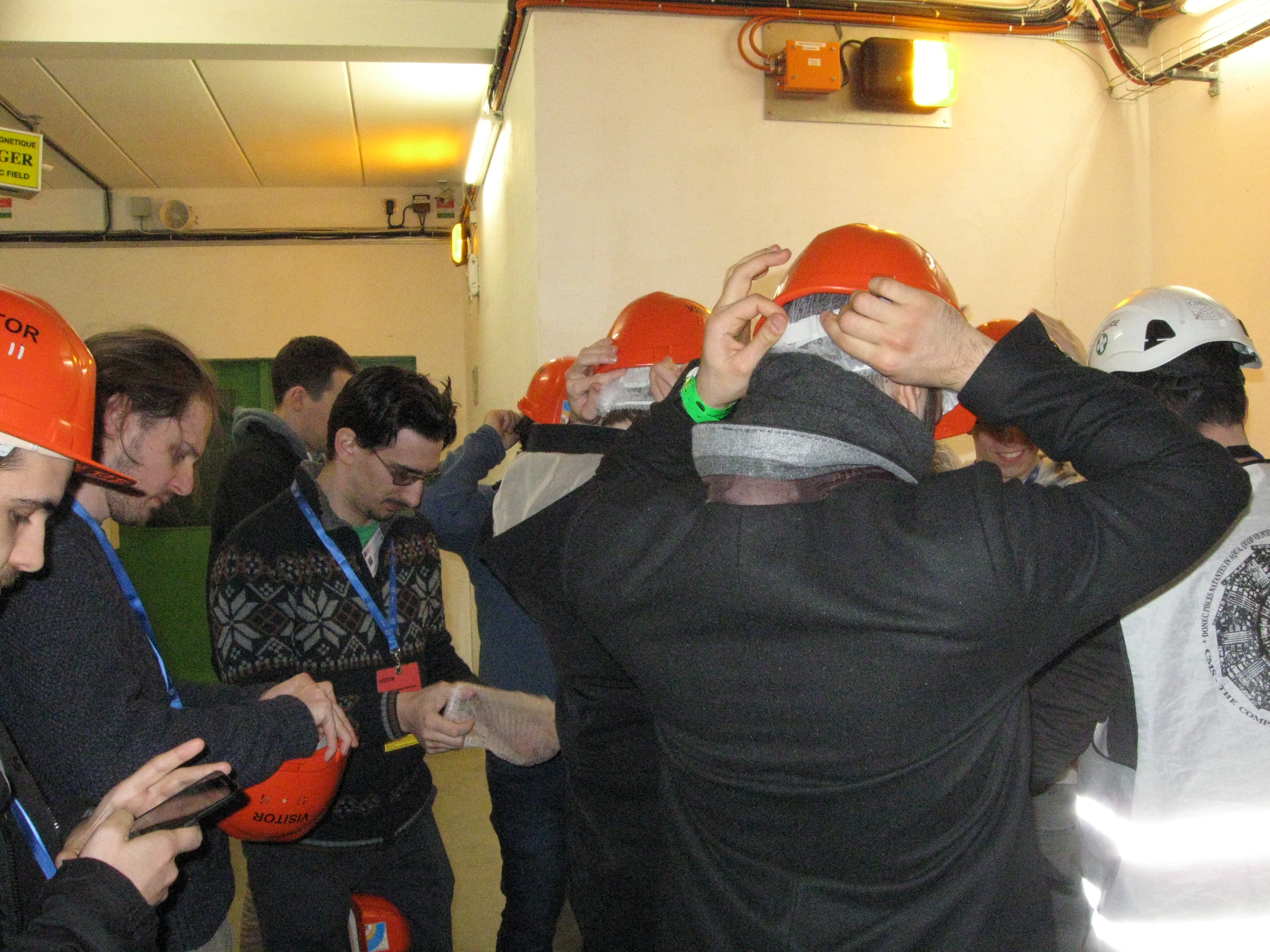
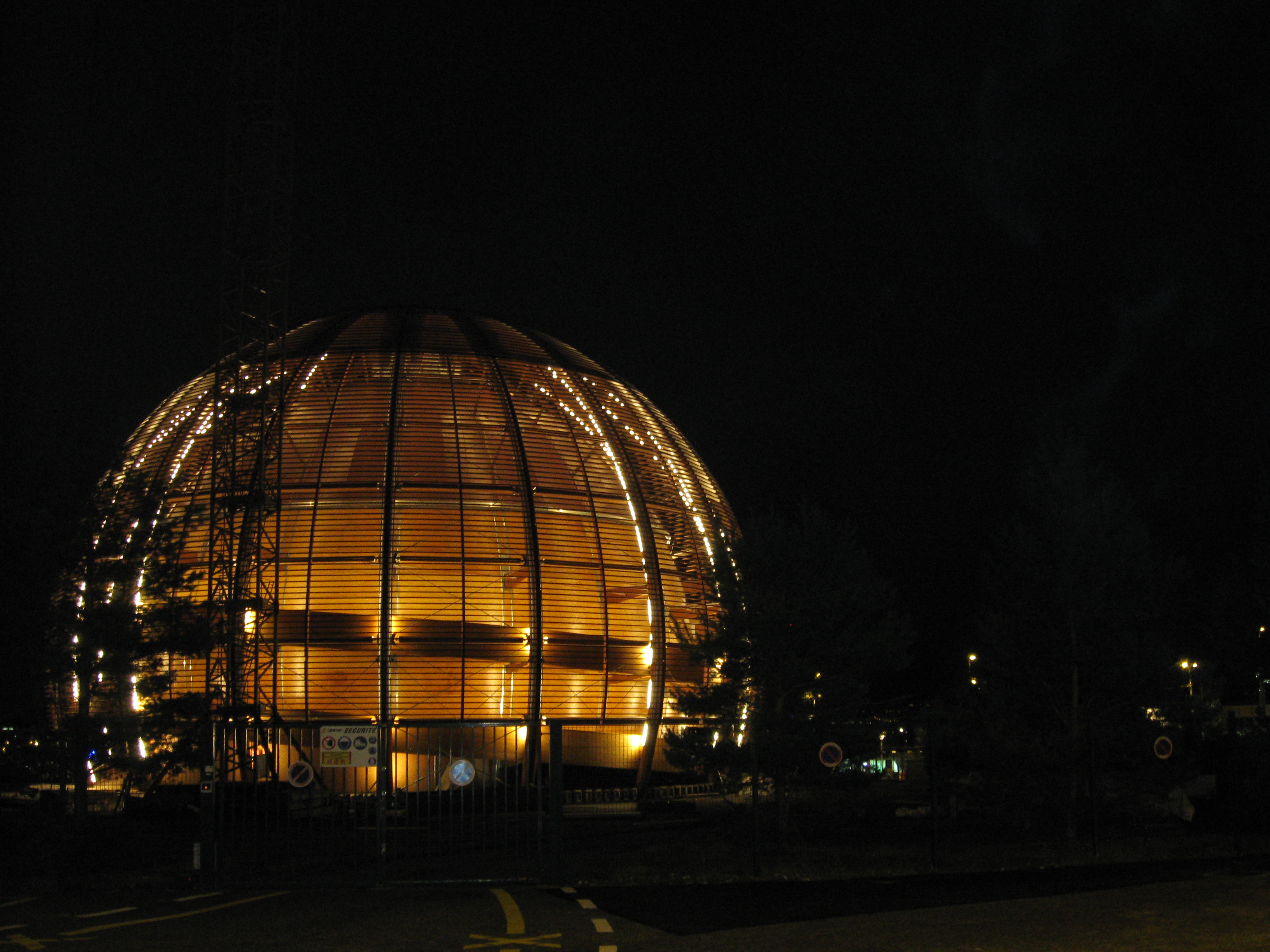
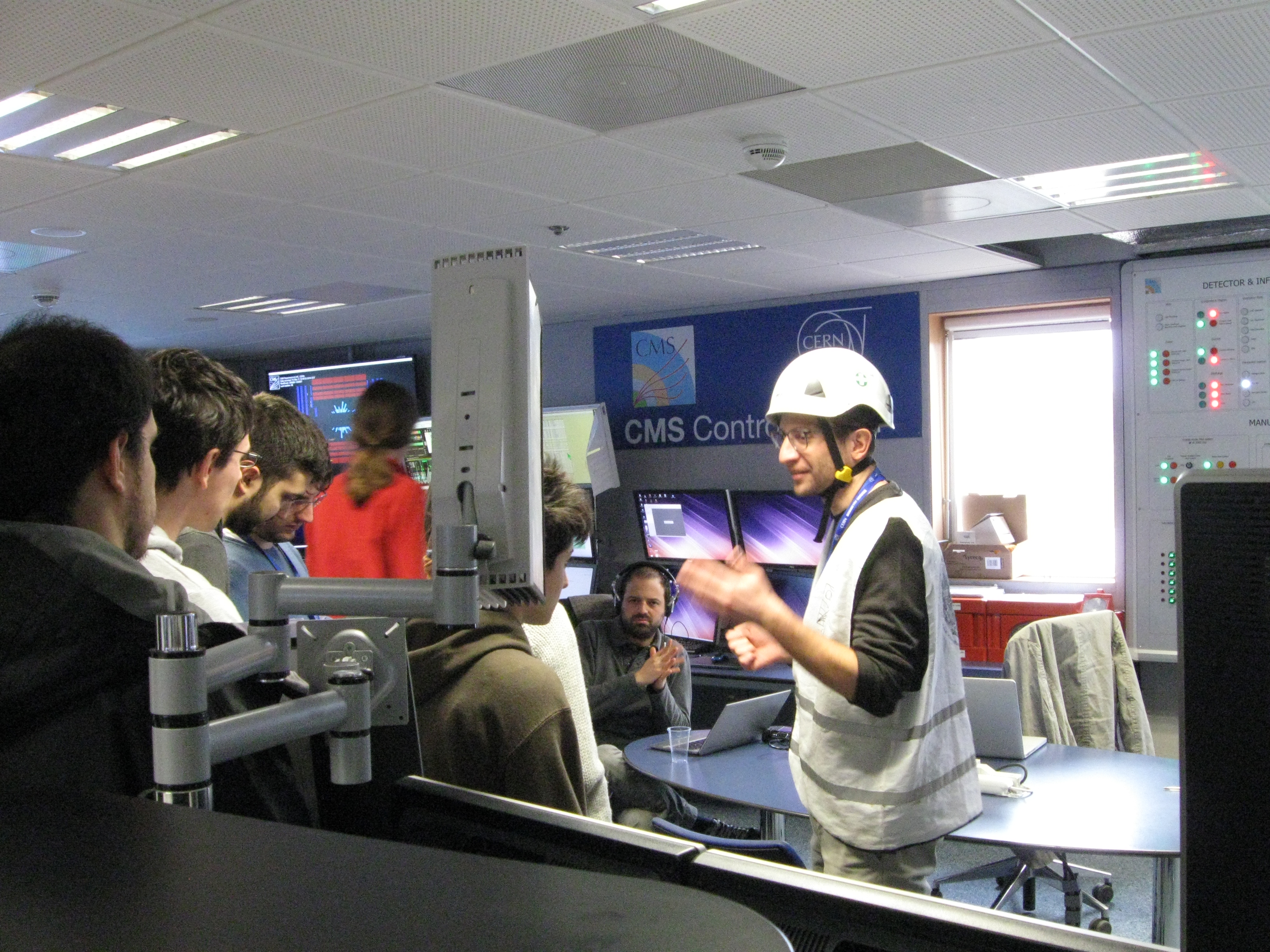
During the Sprint at CERN everyone got to take a tour of the Large Hadron Collider, it was a fantastic time and a proud moment for members of the KDE community to see the massive and incredible machines which happened to have KDE software running at the controls.

IMG_0574

There were many different systems on display, not just KDE!

We had a rare opportunity to actually go 100 meters underground and look at the scope of it – grand and atomic – and look at one of the greatest achievements of society with our own eyes.

IMG_0578

There were many different systems on display, not just KDE!

Once we got our eyes on the massive structure a couple of the guys pulled out a bag and said “Hey, want to see something cool?”

Of course.

IMG_0604

There were many different systems on display, not just KDE!

Over at the injector (where they feed matter into the LHC) some of the other VDG members had snuck in a bag of paintballs. It was ON. Much like a pneumatic tubes of the late 1800s, the LHC consumed the ammo with gusto. I was sure our giggling would give us away, but we made sure people crowded around the controls before anyone knew what we were doing.

IMG_0579

There were many different systems on display, not just KDE!

The way the LHC was laid out, there was various catwalks surrounding where the beam passes through. We found a pair of convenient walkways ripe for us to jump across which would let us get hit – we didn’t need to worry much about timing, after all, the gauges already indicated the first paintball was going 92.3% the speed of light.

bruise.png

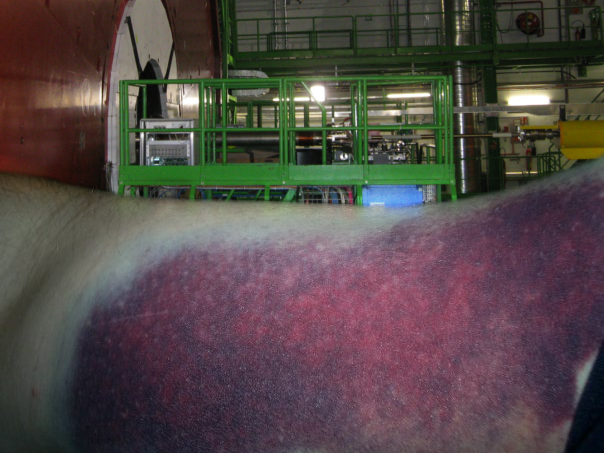
The first hit! Left a small mark!

It was a good time. We had some bruises, other peoples heads and arms simply vanished at near relativistic speeds. We lost 3 members of the VDG, 5 WikiToLearn editors, and Sebas was the only Plasma developer to go, though watching him get sucked into a black hole made by a near-light-speed paintball was really, really cool.

As an aside, since he’s beyond the event horizon, I’ve taken over his blog. Any amazing accomplishments he makes from now on were actually all me, and I should get the credit.

IMG_0552

And that was our tour of the LHC. We’re confident in our productivity to take over for the now deceased community members, and we firmly believe the sacrifice was totally worth it. After the tour we got into our cars to drive back to the sprint proper – albeit with some more shoulder room in the vehicles – and we got back to work after turning the LHC into the worlds largest paintball cannon.

DWD Structured @ CERN

windeco

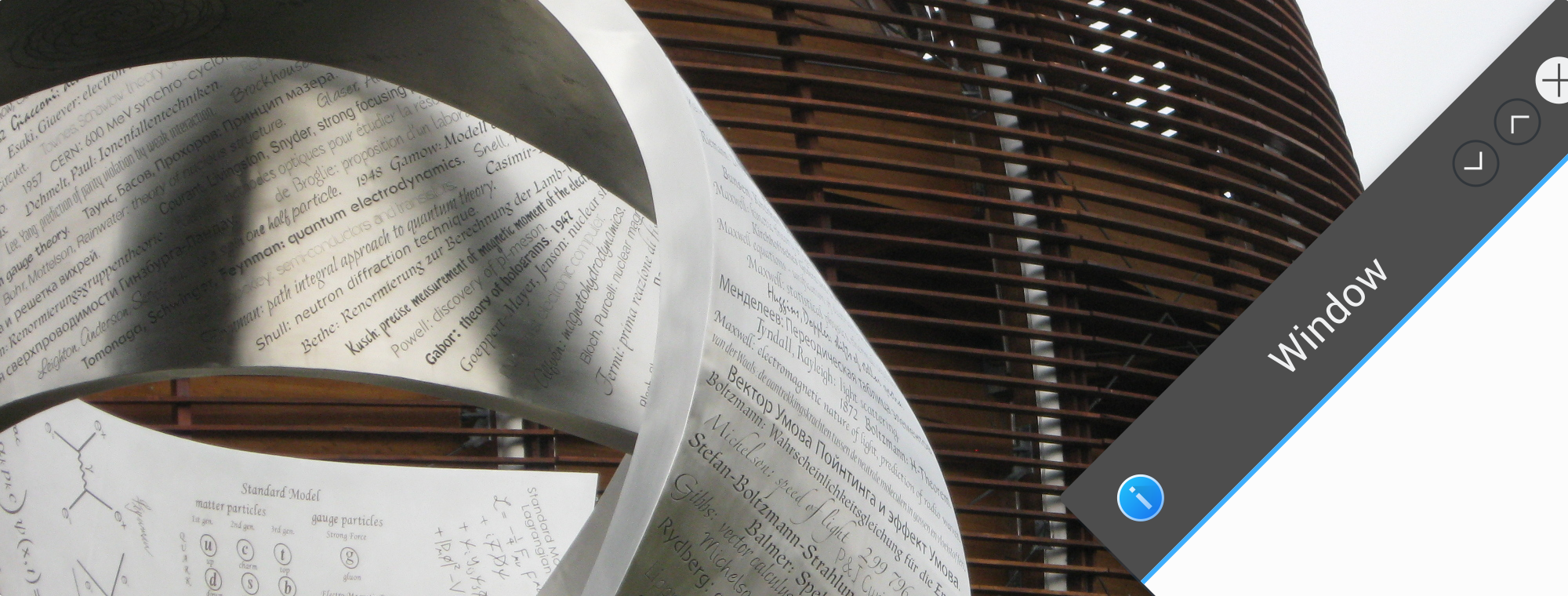
After a seeming eternity the unthinkable has finally happened; DWD has been discussed formally on an implementation level and it’s exciting to say that some parts are now under development. Thanks to the CERN Sprint we’ve had Martin Gräßlin, Sebastian Kügler, a couple others, and myself in one room able to make final decisions on how it will all come together.

Dare I say DWD is officially real, entering development, and coming? Yes!

Previously I’ve made two posts about DWD concepts, this post will summarize the basics of DWD as it has been finalized. Some parts of both designs previously posted have been used and I’ll make another post later including mockups with more detailed information, but for new here’s an overview of DWD basics;

Low-Level IPC

DWD will use D-Bus as its IPC, being implemented via the KWin Window Metadata Tier 1 Framework. This is for Qt/KDE driven implementations, but anyone can implement DWD via D-Bus.

Core Structure

At its core DWD will work with ‘Semantic Objects’ and ‘Priority Groups’. Semantic objects refer to things like ‘media player controls’, ‘navigation’, and ‘actions’. Applications bundle Semantic Objects into Priority Groups, then push those groups to the window manager.

The window manager will tell the app whether a group was accepted or rejected; a group is rejected if any single semantic object in that group is denied for any reason. Higher priority groups get first swing at embedding their controls, and it may affect widget placement in certain situations, such as phone controls.

From there applications just hide their own elements in response to what groups were accepted. There will be some events and flags as well, but we won’t get into that yet.

Customisation

One aspect to note is that DWD will offer no customisation on the client-side. I had gone down that rabbit-hole in an early draft and we all deemed it overcomplicated. Ultimately what applications need to know is that the controls are being served – not how or where they’ve been served.

One thing we did was look at is Gnome CSDs which offered all the craziness applications could possibly want, and we noticed they weren’t actually being all that crazy with it. Generally the same controls made repeat appearances and when it really comes down to it in practice there’s not much of a value in extreme customisation. As we said previously if you need extreme customisation and weirdness this may not be the method for you – which is fine. At the same time we would recommend application authors examine why they would need exotic controls, and why they specifically need them in the windeco.

Stewarding the Protocol

One thing that was discussed was who and how to steward the protocol. When I first posted about DWD there was backlash about KDE being a ‘protocol gatekeeper’. Afterwards I proposed an extension-based design which also had backlash because it could make the protocol technologically ‘complex and messy’.

Ultimately we decided to steward the protocol and simply work with anyone who wants to be included in the design process directly. We will accept input into where the protocol will go and provide any resources we can.

One thing that was made clear was that some groups are uninterested in considering the DWD approach after being asked. We all agreed it’s not worth making a convoluted extension system just to cater to groups which probably won’t participate, instead focusing on making the best protocol we can for those who want DWD. For those environments that will not support DWD I’m glad to say that it’s still 100% compatible and applications using it will continue to work as normal, they just won’t have content in the decoration. We will not be breaking other environments.

Again, we’ll be open and welcoming to anyone who wants to join us in working on and implementing DWD.

The Implementation Plan

Right now early work is being done on our existing frameworks to move them into position to implement DWDs. Once that is done we’ll implement the protocol with a minimal number of Semantic Objects, and using the low-level API port a small number of simple applications as a beta. Applications being considered for initial DWD tests include Konsole, Kate, KCalc, and similarly small apps with basic requirements.

After the API has proven itself on smaller-scale applications we would move up to heavier applications. KDevelop was mentioned specifically as a candidate as its relatively heavy UI could benefit from space-saving DWDs while developers could very quickly give us high-quality feedback. This may be where we move to higher-level classes which will hide away the group/object system as well.

Designs & Reference Material Incoming

I’ll be making another post later with designs which should be mostly accurate to what the final protocol will produce; accurate enough to place in the Wiki as design references for how applications should look when using the final DWDs.

While Martin will continue focusing down Wayland and making excellent progress, he also had a rough timeline for when we can expect basic DWDs make an appearance. I won’t quote him as it was an off-the-cuff estimate, but it’s exciting to know there’s light at the end of the tunnel, and that we’re out of the conceptual phase.

On a complete aside it was a complete pleasure meeting everyone. Great to see some of the friends I met last year again, fantastic to make many more new ones, and I wanted to thank everyone in the Sprint as well as those who supported it for making such a great event happen.

Special thanks to CERN for hosting this Sprint! Be awesome and support future Sprints by clicking the links below;
Via Paypal for one-time donations
Become an ongoing contributor and official supporting member


Plasma 5.5 Review

intro-splash

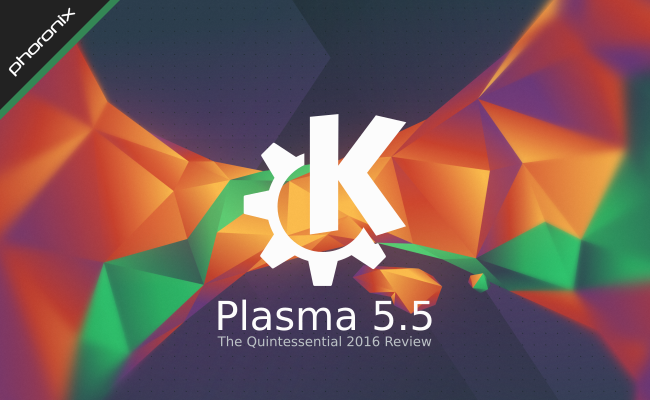
For those who haven’t seen it already, I’m very pleased to announce that I’ve been working with Michael Larabel over at Phoronix to post an in-depth review of Plasma 5.5.

You can read it here:
KDE Plasma 5.5: The Quintessential 2016 Review

I gotta hand it to every KDE contributor; I call this review comprehensive but there’s an incredible amount of information I could not cover in a sane article, and it could have easily been twice that length while still failing to hit every feature.

From me to everyone; you’ve all been knocking it out of the park, great work, and thank you. I’m looking forward to what the KDE community brings in 2016!

Google Deep Dream ruins food forever.

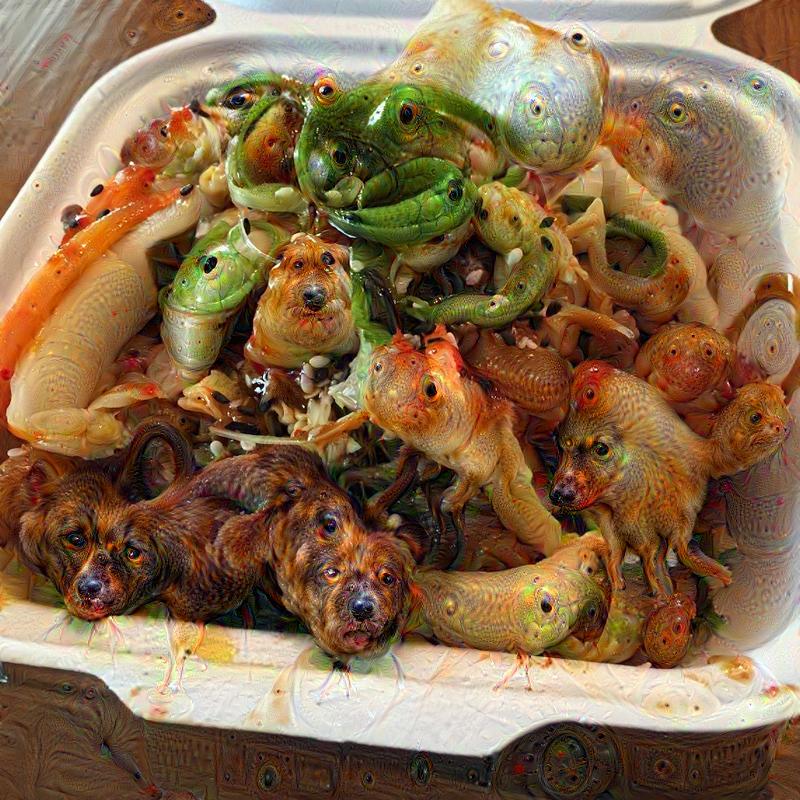
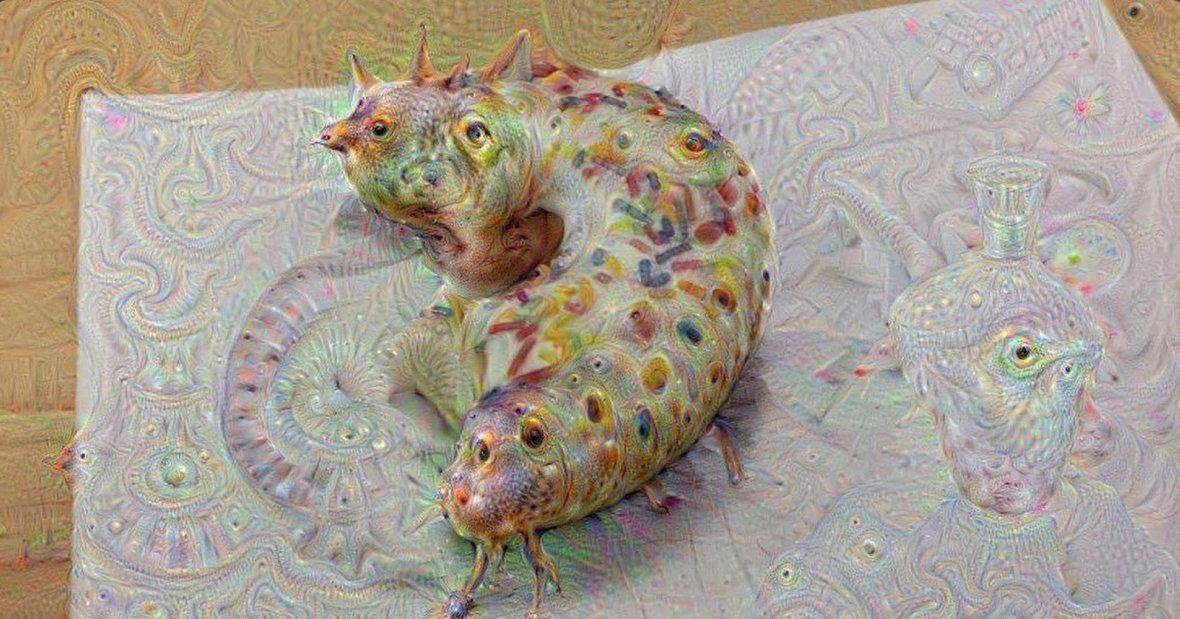
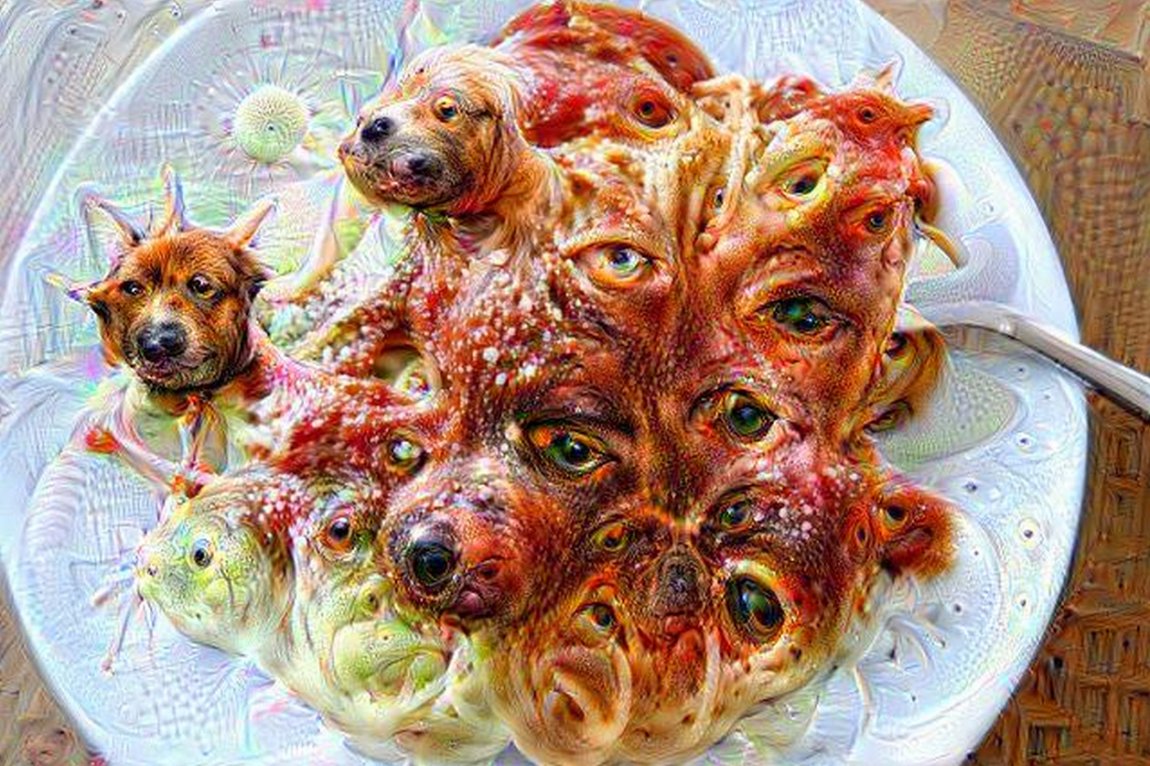
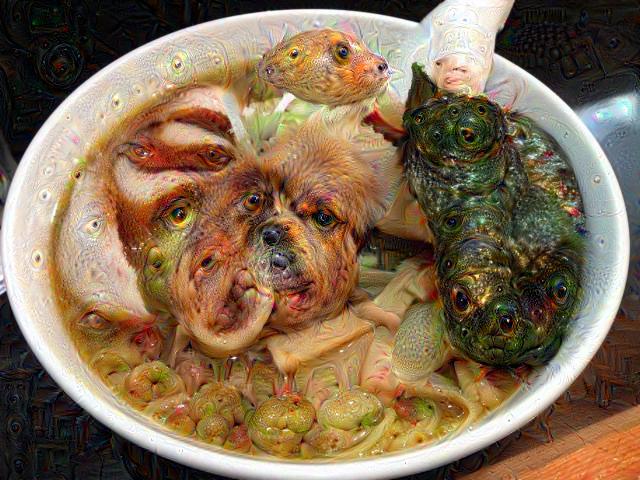
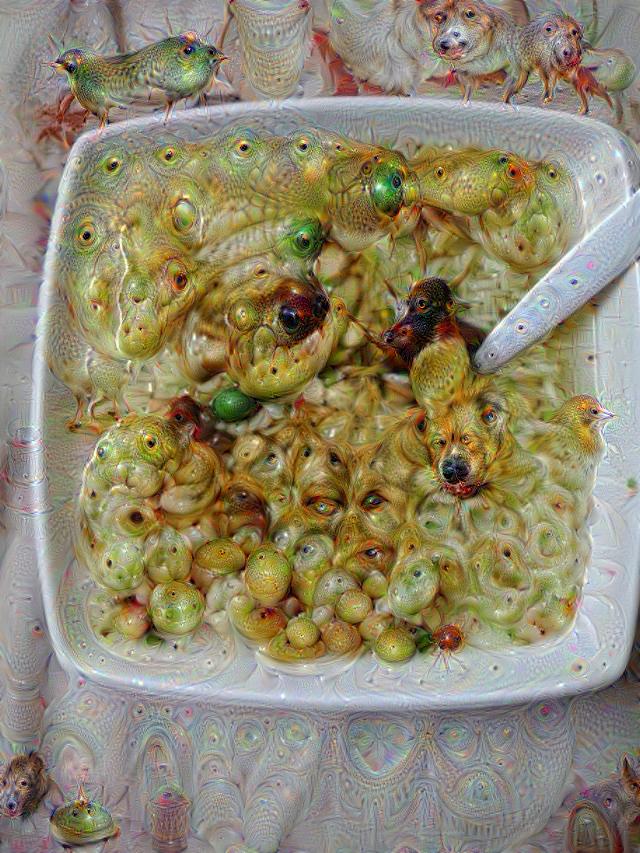
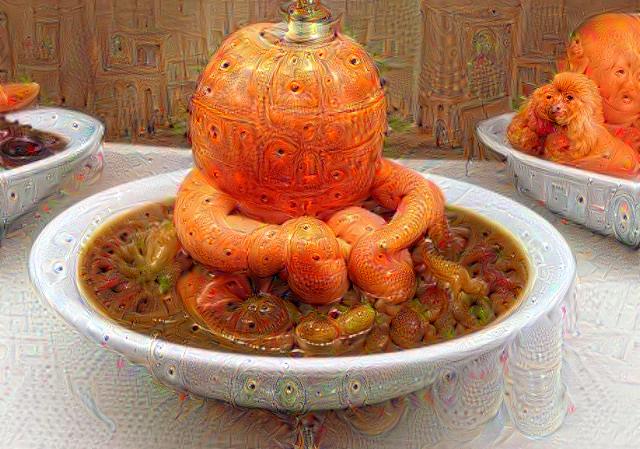
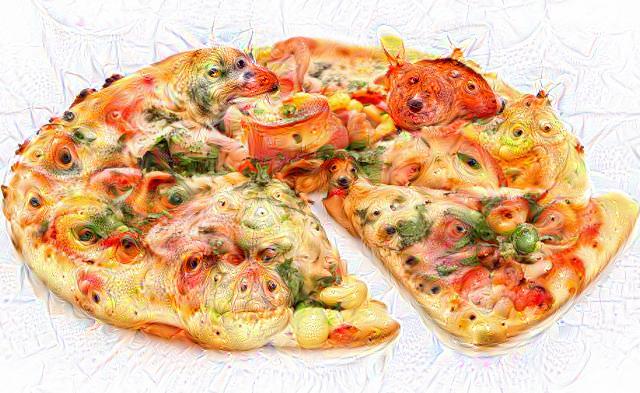
Google Deep Dream is an interesting piece of AI software which looks for patterns in pictures, much like humans may look for patterns in clouds. Deep Dream has been trained to find a few things, like eyes, animals, arches, pagodas, and the most fascinating part is that Deep Dream can also spit out what it “saw”. Then Google opened Deep Dream to the public and people started loading tonnes of images into the system, and when you combine food with Deep Dream it turns into the stuff of nightmares.

RUN NOW OR FOREVER RUIN FOOD FOREVER! Here’s pictures of food turned to ghoulish nightmare-fuel courtesy of Deep Dream;

Nope. NOPE. Great start. Never eating takeout again. At least nothing bad can happen to the humble doughnut.

Duncan Nicoll, thank you. Via Ibitimes

Duncan Nicoll, thank you. Via Ibitimes

GREAT. FANTASTIC. I didn’t like doughnuts anyway. ARE THOSE LEGS?

Ibitimes also had this. Spaghetti & nightmares.

Ibitimes also had this. Spaghetti & nightmares.

I loved pasta. I did once. Then, this. Now never again.

Asian soup via Reddit. Dammit Reddit.

Asian soup via Reddit. Dammit Reddit.

Asian soup creeped me out anyway. BUT IT DOESN’T HELP WHEN THE SOUP LOOKS AT YOU WITH MANY, MANY PUPPY DOG EYES.

Via Vr-Lab

Via Vr-Lab

Hey, look, what a diverse menu of terror!

I’m never, ever eating Asian again. Why does so much of it look fishy?

Thanks, again, VR-Lab.

Thanks, again, VR-Lab.

I, too, would be in the foetal position if my soup was a WRITHING MASS.

VR-Lab.... Shtap. Please.

VR-Lab…. Shtap. Please.

NO. NOT PIZZA TOO. I’M OUT.